Why We Need Backlinks in Reality — For Google and for Users
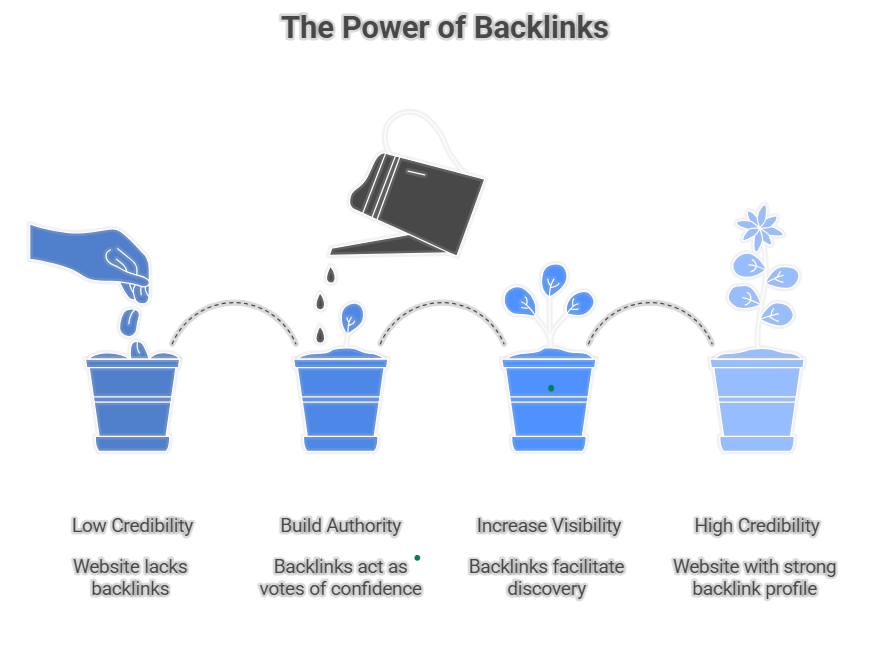
Backlinks, often touted as the cornerstone of SEO, are more than just a ranking factor; they’re a vital component of a website’s credibility, visibility, and overall success. This blog post delves into the real-world importance of backlinks, exploring why they matter not only to Google’s algorithms but also to the users who ultimately drive traffic and conversions. We’ll examine how backlinks act as votes of confidence, build brand authority, and facilitate discovery, ultimately demonstrating their indispensable role in the digital landscape.
Backlinks: The Foundation of Trust and Authority
At their core, backlinks are endorsements. When one website links to another, it’s essentially saying, “I trust this resource and believe it offers value to my audience.” This trust signal is crucial for both search engines and users.
Google’s Perspective: A Vote of Confidence
Google’s algorithm relies heavily on backlinks to determine the authority and relevance of a website. Think of it as a popularity contest, but instead of votes, websites receive links. The more high-quality, relevant backlinks a website has, the more likely it is to rank higher in search results.
- Authority and PageRank: Backlinks contribute to a website’s PageRank, a metric (though no longer publicly available) that measures the importance of a page based on the number and quality of links pointing to it. While PageRank isn’t the only ranking factor, it remains a significant indicator of authority.
- Relevance: The context of the linking website matters. A backlink from a reputable website in the same industry carries more weight than a link from a completely unrelated source. Google considers the anchor text (the clickable text of the link) as well, using it to understand the topic of the linked page.
- Discovery: Backlinks help Google discover new content. When a website links to a new page, it signals to Google that the page exists and should be crawled and indexed.
User’s Perspective: A Sign of Credibility
Users are increasingly discerning about the information they consume online. They want to know that the websites they visit are trustworthy and reliable. Backlinks serve as a signal of credibility, indicating that other reputable sources vouch for the content.
- Validation: When a user sees a link to a website from a source they trust, it validates the information presented on that website. This is especially important for websites that offer advice, opinions, or factual information.
- Expertise: Backlinks from authoritative websites in a specific field can establish a website as an expert in that area. This can lead to increased trust and credibility among users.
- Navigation: Backlinks provide users with a way to discover new and relevant content. They can lead users to valuable resources that they might not have found otherwise.
Building Brand Awareness and Driving Traffic
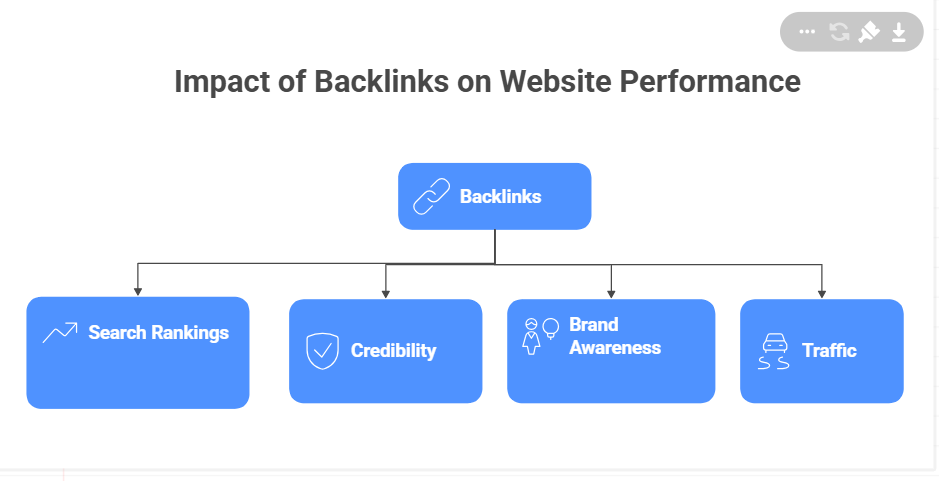
Beyond their impact on search rankings and credibility, backlinks play a crucial role in building brand awareness and driving traffic to a website.
Expanding Reach and Visibility
Backlinks can expose a website to a wider audience. When a website is linked to from a popular blog or news site, it can generate a significant amount of referral traffic.
- Referral Traffic: Backlinks drive direct traffic to a website. Users who click on a link are actively seeking information and are more likely to engage with the content.
- Brand Exposure: Even if users don’t click on the link, the mention of a website on another platform can increase brand awareness. This is especially valuable for new businesses or those trying to expand their reach.
- Networking Opportunities: Building backlinks often involves reaching out to other websites and building relationships with industry influencers. This can lead to valuable networking opportunities and collaborations.
Establishing Thought Leadership
Earning backlinks from reputable sources can position a website as a thought leader in its industry. This can attract new customers, partners, and investors.
- Recognition: Backlinks from industry publications and influential blogs can signal that a website is a valuable resource for information and insights.
- Influence: By consistently creating high-quality content that attracts backlinks, a website can establish itself as an authority in its field.
- Opportunities: Thought leadership can lead to speaking engagements, media appearances, and other opportunities that can further enhance a website’s reputation and visibility.
The Importance of Quality Over Quantity
It’s important to note that not all backlinks are created equal. In the past, some websites focused on acquiring as many backlinks as possible, regardless of their quality or relevance. However, Google’s algorithm has become increasingly sophisticated at detecting and penalizing manipulative link-building practices.
- Relevance is Key: Focus on acquiring backlinks from websites that are relevant to your industry and target audience.
- Authority Matters: Prioritize backlinks from reputable websites with high domain authority.
- Natural Link Profile: Avoid engaging in link schemes or other manipulative tactics that can harm your website’s ranking.
- Content is King: The best way to attract high-quality backlinks is to create valuable, informative, and engaging content that other websites will want to link to.
Conclusion: Backlinks as an Investment in Long-Term Success
Backlinks are an essential component of a successful online strategy. They not only improve a website’s search engine ranking but also build trust, drive traffic, and establish brand authority. By focusing on acquiring high-quality, relevant backlinks, businesses can invest in their long-term success and achieve sustainable growth in the digital landscape. Remember, backlinks are not just about pleasing Google; they’re about providing value to users and building a strong online presence.